In the previous text, we learned about emergency scenarios, the main components of survival shelters, and the steps for building a basic shelter. We invite you to read Part I, if you haven't already.
LIVING OFF THE GRID AND WILDLIFE SHELTERS
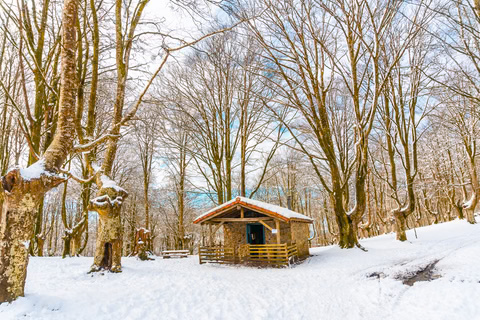
Another challenge is what to do in the event of a prolonged power outage and the collapse of social services, as well as the need to disconnect for a long time time.
Immediate shelters are short-term solutions to life-threatening situations that need to be built quickly. These shelters are usually good for one or two nights. But what if you have a few people in your group who intend to stay in the wilderness longer than originally planned? From the perspective of preparedness personnel, it’s important to be prepared for what is reasonably possible, and many SHTF events may require you to be away from major cities for extended periods of time.
Off-grid shelter
Self-contained shelters are more permanent dwellings designed for long-term comfort and functionality. They’re like tiny houses built in the woods.
Think about it: A wilderness shelter is like a sturdy pop-up tent. Building a self-contained shelter is similar to building a log cabin – it takes more time and effort up front, but provides a safer and more comfortable long-term solution.
Can you upgrade your basic shelter in the wilderness?
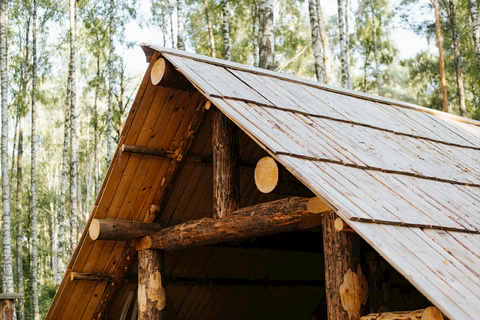
If you are in a survival scenario that could last for weeks, months, or even years, you will need to upgrade and modernize your shelter using more sophisticated building materials. Wood is the most common building material. You should also consider using other elements such as brick, stone, or even rammed earth for added strength.
WHAT SHOULD I BUILD - A SELF-CONTAINED HOMESTAY OR A BREAKFAST HOUSE?
Whether to build a self-contained homestead or a break-away building is a matter of priorities.
Self-Contained Homestead:
Whether you dream of self-sufficiency and a simpler life, or simply want a Plan B in case your other options are compromised during a SHTF event, a self-contained homestead offers the opportunity to build a sustainable harbor, live off the land, and create self-sufficient energy sources.
Pros:
- Long-term off-grid living: Designed for a self-sufficient lifestyle that allows you to live without electricity for an unlimited time.
- Investment and appreciation: An autonomous homestead can potentially increase in value over time, similar to a conventional home.
- Building a community: Depending on your location, you can connect with other non-networked communities for support and sharing experiences.
Cons:
- Waste of time and resources. Building and maintaining a self-contained homestead requires significant time, effort, and a significant financial investment.
- Less mobility: Once established, you become less mobile in the event of a sudden emergency that requires immediate evacuation.
- Vulnerability: Homesteads can become targets because they are permanent structures visible in remote, remote locations, far from law enforcement and emergency services.
Note: Solitary behavior makes long-term survival difficult. Historically, humans have sought to be part of larger communities for a reason. Each individual is a force multiplier with unique and useful skill sets. Numbers provide greater security when faced with all threats.
Remote Escape Shelter:
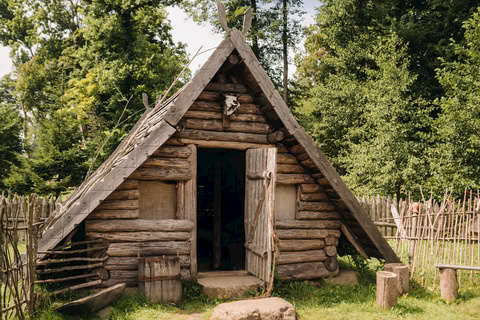
An escape shelter is a hidden shelter, a safe escape point that can be ready whenever you need to disappear. The difference between this and a homestead is determined by the planned length of stay and the amount of supplies that will be accumulated.
Pros:
- Availability: Typically less expensive to build or purchase than a full-fledged homestead.
- Flexibility: Provides a quick and safe shelter location if you need to evacuate your primary residence.
- Less maintenance: Requires less ongoing maintenance compared to a fully functional self-contained homestead.
Cons:
- Limited functionality: Primarily designed for temporary outages and may lack features for long-term comfort and autonomy.
- Dependence on primary residence: You will still need a primary residence where you spend most of your time.
- Potential crowding: During emergencies, locations where such shelters are located, may be crowded, which will affect the availability of resources and overall safety.
TYPES OF SHELTERS, BUNKER AND OTHER SPECIALLY BUILT STRUCTURES
STORM SHELTER
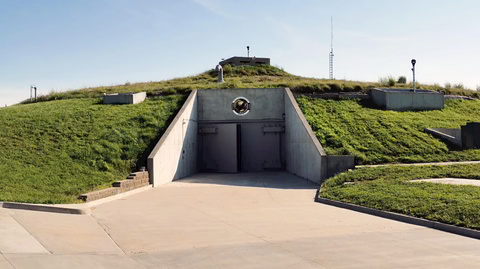
Storm shelters are the most common type of shelter, especially for those living in tornado-prone areas of the United States. In many jurisdictions, such shelters are mandatory.
Most storm shelters are built underground in buildings. They are usually the safest place to be when a tornado is moving through the area.
BUNKERS AND RADIO SHELTERS
There was a time in history when bunkers were quite common in large cities and were not used only as a backdrop for Hollywood doomsday epics. Many of us remember how part of our childhood was spent exploring abandoned bunkers from World War II and the Cold War with friends. Often near a kindergarten or hospital there is a large bunker that can withstand an indirect nuclear strike.
What is the main purpose of a bunker:
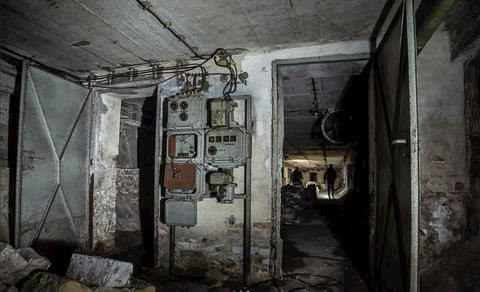
Bunkers are used for a variety of purposes, including storing military equipment, sheltering small underground factories, control centers, and emergency living quarters for people in the event of a nuclear Armageddon.
The main reasons why this type of survival shelter is the best shelter for a nuclear event include:
- Bunkers are built underground and are reinforced with thick walls of multi-layer concrete.
- Reinforced concrete is highly effective material for protection against nuclear isotopes during a nuclear attack, since neutrons and gamma rays are absorbed by the dense atoms of the building material.
- A certified radiation shelter must be able to be closed from the outside with a hermetic lock. It must include life support systems, emergency power generators, food rations.
Note. In the event of a nuclear exchange, there may be only 10-15 minutes of warning. To be prepared for such a scenario, map out the locations of anti-radiation shelters in your area and prepare several routes to get to them quickly.
Bomb shelter
A bomb shelter is designed to provide maximum protection from the immediate effects of a bomb explosion, including shock waves, flying debris, and intense heat caused by explosions and fires.

Bomb shelter vs. radioactivity shelter
- The lack of CBRN protection (as explained in Part I, CBRN (chemical, biological, radiological or nuclear) (meaning threat) is the most extreme emergency that requires immediate shelter): a bomb shelter may not protect against radioactive fallout or dust contaminated with particles after a nuclear explosion.
- Limited location: bomb shelters are usually located near military bases, government buildings or other vital infrastructure landmarks.
- Limited functionality: bomb shelters are designed for short-term protection and are not built for long-term occupancy. Due to their size and intended use, they are also not equipped with the necessary facilities and amenities for long-term use.
Bomb shelters are usually built of reinforced concrete and steel to withstand the enormous pressure and heat of an explosion. They may also include features such as blast-proof doors for additional protection.
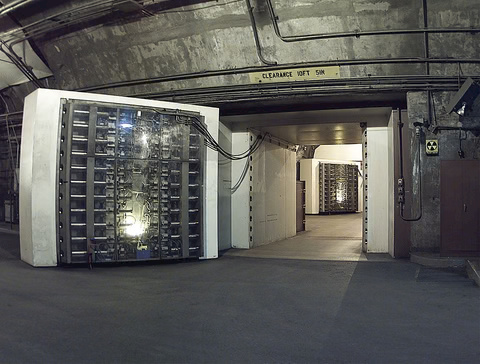
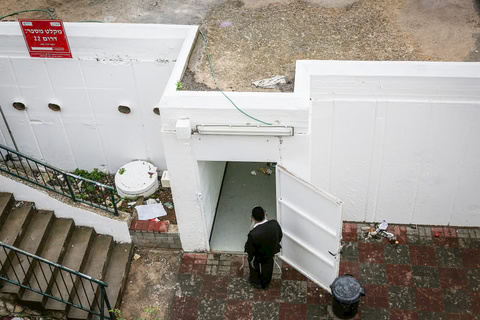
Bomb shelters are most common in countries like Israel, where regular threats from rockets, drones, and mortars require safe areas where civilians can hide during an attack.
Many Israeli homes, especially near the border, are built with Ma’ma’d, the Hebrew abbreviation for Merhav Mugan Dirati, or apartment/residential protected space. On October 7, 2023, when sirens sounded in southern Israel announcing an attack, many families living near the Gaza Strip rushed to their protected areas to seek shelter.
The protected spaces were designed to withstand mortar and rocket fire, but not sustained small arms fire, grenades, and anti-tank missiles (such as the various RPG variants used by Hamas terrorists). However, protected spaces have saved countless lives and withstood a full-scale terrorist invasion.
Unfortunately, the situation in Ukraine is even more acute and dangerous. The aggressor and occupier is trying to destroy our nation by all available means, so building protective structures throughout Ukraine is a matter of saving the nation.
Brief summary:
Think of bomb shelters that protect you from instantaneous explosions, and anti-radiation shelters that protect you from long-term consequences.
Note. In the event of a nuclear attack or dirty bomb, distance from the initial blast is key to survival and reduces the intensity of radiation, even before concrete shielding takes effect.
IMPORTANT INFORMATION ABOUT NUCLEAR SHELTERS
While it is hoped that such shelters will never be needed, having some basic knowledge about them can be a life-saving advantage.
Finding public anti-radiation shelters:
As the threat of nuclear war has disappeared from the daily fears of many around the world, public shelters are not as common as they were during the Cold War era.
In the United States, especially in urban areas such as New York City, where these shelters were located in the basements of apartment buildings, the shelter is nothing more than a throwback to an earlier era (signs indicating that the building was designated as a shelter can still be seen).
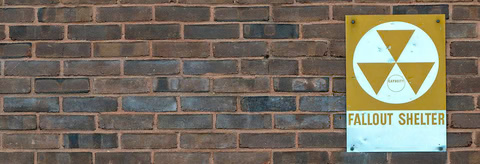
Some government buildings, hospitals, and schools remain designated as shelters. Here's how to find potential shelters near you:
- Government websites: Check your local government's emergency preparedness website. They may have information about designated public shelters in your area.
- Local authorities: Contact your city or community's emergency management department. They will have information about public shelters or alternative shelter options in the event of a nuclear event.
- Non-profit organizations: Some nonprofit organizations that focus on emergency preparedness and response may have information about government or public shelters.
WHAT DO I NEED FOR MY SHELTER
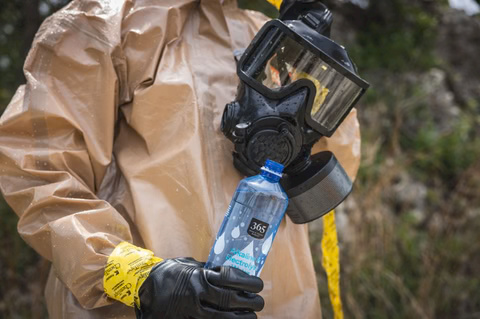
To survive an extended stay, it is important to know what to take with you to a fallout shelter. Here is a basic checklist:
- Non-perishable food and water: It is recommended to prepare a two-week (minimum) supply of food and water for each person seeking shelter. Choose foods with a long shelf life that do not require cooking or refrigeration.
- First aid kit and medications: Pack a complete first aid kit and any necessary medications for each member of your family.
- Toiletries: Toilet paper, soap, hand sanitizer, feminine hygiene products, and trash bags are absolutely essential.
- Communications: A battery-operated radio with extra batteries and a fully charged portable phone will keep you informed.
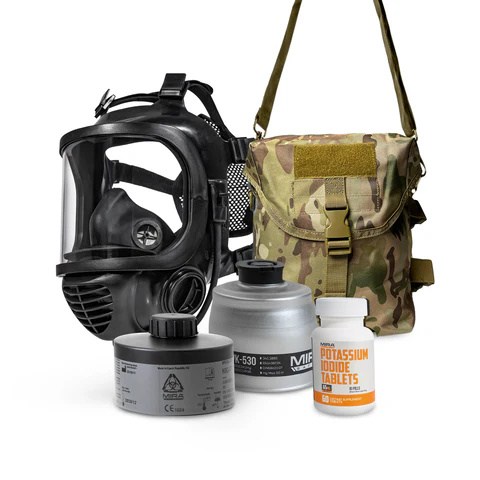
Some manufacturers/suppliers offer specially designed nuclear survival kits that include a respirator that covers face, a 20-year filter, and potassium iodide tablets to protect your body from the dangers of a nuclear threat.
PRE-BUILT NUCLEAR SHELTERS
For some people, the peace of mind of having a pre-built nuclear shelter is very important, especially if there are no affordable facilities in your community or city.
Be fiscally cautious if you take out a large loan from your financial institution for your bunker, as it may be difficult to convince the bank that you will repay those millions when that rationale dictates that the global banking system will soon be destroyed.
It is not surprising that a quick search will reveal several ready-made underground bunkers that simply need to be buried and stocked. When looking for a reliable shelter in Ukraine, you will definitely see our company - BUNKER-OK. But also other manufacturers. In this article, we will not advertise ourselves, as we provide facts and information.
Types of pre-built shelters:
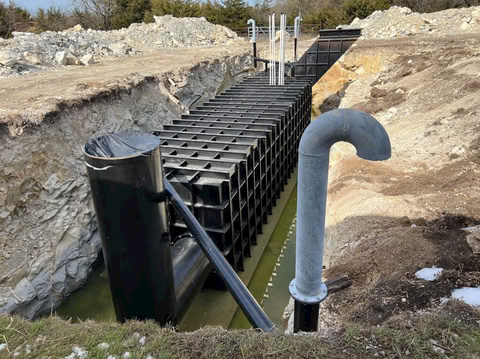
Underground shelters: These are the most common types available. They are usually buried — either completely or partially — underground. These shelters offer the most significant radiation protection and can be constructed of concrete, steel, or composite materials.
Above-ground shelters: These are now more common in Ukraine and are easily accessible. These prefabricated units are typically made of high-strength materials, such as steel or concrete, and are designed to be installed above ground.
Considerations before purchasing:
- Cost: The price of prefabricated shelters can vary depending on size, features, and materials. Expect a significant investment.
- Installation: These shelters often require professional installation, which increases the overall cost.
- Regulations: Building codes and regulations regarding shelters vary by location. Before purchasing and building, make sure you have the necessary permits.
- Maintenance: Regular maintenance is crucial to ensuring the functionality of your shelter and accounts for its long-term costs.
Advantages of pre-built shelters:
- Professional design and construction: Pre-built shelters are designed and engineered specifically for their intended purpose, a standard that a DIY project cannot guarantee.
- Faster installation: Compared to building a shelter from scratch, pre-built options can be installed quickly and efficiently (1 to 7 days).
- Warranty and support: Reputable manufacturers usually stand behind their products.
Things to look for in a pre-built shelter:
Size: Consider the number of people who will be using it use this shelter.
Features: Look for features like ventilation systems, air filtration, water storage options, and space for essentials (some of which are required by law, so you won't have any problems).
Security: Some shelters offer extra-strength doors, security features, and blast-proof doors for added protection.
Durability: Look for shelters built with high-quality materials that protect against radiation.
BEST PLACES TO PLACE A BUNKER
Choosing the right location for your shelter is just as important as the shelter itself. Here are some factors to consider:
Remote location: Ideally, look for a secluded location away from potential ground zero zones or strategic military targets.
Stable geography: Avoid areas prone to flooding, landslides, or earthquakes.
Access to resources: Make sure the location has access to clean water sources or the ability to collect rainwater. The location should also be close to other natural resources, such as wood for starting a fire.
Climate Considerations: Choosing a location with a climate suitable for long-term habitation is just as important as building or purchasing a shelter designed for extreme temperatures.
Existing Infrastructure (optional): Some people consider locations with existing infrastructure, such as roads or communications (with caution), believing that they may be more useful in the long run. However, it should be noted that choosing such a location with existing infrastructure can also make the location a target for others.
CONCLUSION
This comprehensive two-part guide to survival shelters has been prepared to help you make informed decisions about how to navigate our current global powder keg environment, and sleep soundly at night.